
شحن مجاني على الطلبات التي قيمتها 300 ريال أو أكثر
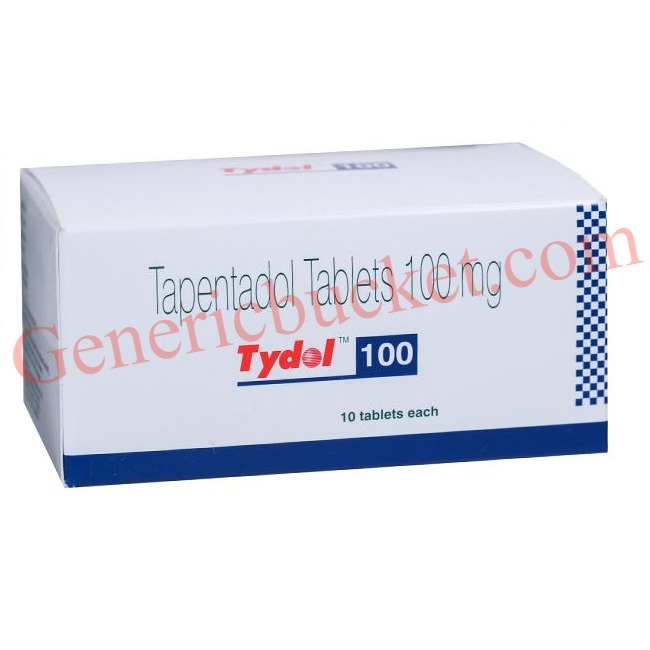
Tydol 100mg Tablet (Tapentadol 100mg)
$ 76.50
Extra Features
- Premium Quality
- Secure Payments
- Satisfaction Guarantee
- Worldwide Shipping
- Money Back Guarantee
Tydol 100mg Tablet: A Comprehensive Guide to Tapentadol 100mg Tydol 100 mg Tapentadol 100mg is an opioid analgesic that acts centrally and is found as tablets. Adults with moderate to severe pain are the main patients for whom it is used. By attaching to mu-opioid receptors in the central nervous system, tapentadol modifies pain perception without appreciably preventing serotonin or norepinephrine from being reabsorbed. It differs from other opioids due to its distinct mode of action, which makes it a useful choice for pain relief. Indications for Use Tydol 100mg Tablets are prescribed for the management of acute pain that is not sufficiently relieved by other means and that calls for the use of an opioid analgesic. In individuals with diabetic peripheral neuropathy (DPN), it is also appropriate for the therapy of neuropathic pain when a long-term, continuous, round-the-clock opioid analgesic is required. Dosage and Administration Adults should take 50 mg, 75 mg, or 100 mg of Tydol 100 mg tablet orally every 4 to 6 hours as needed for pain relief. No more than 700 mg should be used daily. people with hepatic or renal impairment, as well as elderly people, may require dosage changes. The entire tablet should be eaten, either with or without meals, and with enough fluids. A potentially lethal dosage of tapentadol may be rapidly released and absorbed if the tablet is crushed, chewed, or dissolved. Precautions and Warnings Healthcare professionals should evaluate the patient’s risk factors for substance misuse, addiction, or diversion prior to starting Tydol 100mg Tablet treatment. Addiction, abuse, and misuse of tapentadol pose a risk that can result in overdose and death. Individuals who have previously struggled with substance misuse or addiction may be more vulnerable and require close observation. Tapentadol use may result in respiratory depression, especially in patients who are elderly or disabled. Use concurrently with other CNS depressants, including alcohol or benzodiazepines, may raise the risk of mortality, coma, and respiratory depression. Patients with acute or severe bronchial asthma, paralytic ileus, considerable respiratory depression, or known tapentadol hypersensitivity should not take Tydol 100mg Tablets. Adverse Reactions When using Tydol 100mg Tablets, common adverse effects include headaches, nausea, dizziness, vomiting, sleeplessness, constipation, pruritus, and dry mouth. When using the medication consistently, these side effects, which are often dose-dependent, may go away. However, using opioids has been linked to major side effects such anaphylaxis, adrenal insufficiency, serotonin syndrome, and respiratory depression. Patients should be kept an eye out for any indications of these side effects, especially while starting tapentadol therapy or changing the dosage. Drug Interactions Tydol 100mg Tablet may interact with other drugs, changing their effectiveness or raising the possibility of negative side effects. Additive central nervous system depression may arise from the concurrent use of tapentadol and other opioids, benzodiazepines, sedative-hypnotics, muscle relaxants, or tricyclic antidepressants. When used in conjunction with tapentadol, serotonin-related drugs such as triptans, tricyclic antidepressants, monoamine oxidase inhibitors (MAOIs), selective serotonin reuptake inhibitors (SSRIs), and serotonin-norepinephrine reuptake inhibitors (SNRIs) might cause serotonin syndrome. Moreover, there may be a higher chance of respiratory and central nervous system depression when tapentadol is used with serotonergic medications. Special Populations The effects of Tydol 100mg Tablet, including respiratory depression and sedation, may be more severe in elderly individuals. As a result, dose modifications might be required for this population. Dosage modifications may also be necessary for patients with renal impairment, depending on their state of renal function. Patients with significant renal impairment (creatinine clearance < 30 mL/min) should not use tapentadol. Similar to this, patients with hepatic impairment can have different tapentadol metabolism and clearance, which would require careful monitoring or a change in dosage. Pregnancy and Lactation There are limited data on the use of tapentadol in pregnant women. Animal studies have shown reproductive toxicity at high doses. Therefore, Tydol 100 mg Tablet should be used during pregnancy only if the potential benefit justifies the potential risk to the fetus. Tapentadol is excreted in human milk, and breastfeeding is not recommended during treatment. Overdose Overdose of Tydol 100 mg Tablet can lead to respiratory depression, coma, and death. Management of overdose may include the administration of naloxone, a mu-opioid receptor antagonist, to reverse the effects of tapentadol. Supportive measures, such as airway management, intravenous fluids, and monitoring of vital signs, should also be implemented as necessary. Conclusion Adults with moderate to severe pain as well as neuropathic pain related to diabetic peripheral neuropathy can benefit from using Tydol 100 mg Tablets. Its combined effect as an opioid agonist and norepinephrine reuptake inhibitor provides a novel mode of action. But given the possibility of addiction, abuse, and respiratory depression, medical professionals should take caution while giving tapentadol. To guarantee the safe and right administration of this drug, patient education is crucial. This includes emphasizing the need of following dosage instructions and recognizing adverse reactions.
Related products
Módulo LoRaWAN SX1262 868MHz para Raspberry Pi Pico – Comunicación IoT
Conversor Serial RS232 / RS485 / RS422 a PoE Ethernet
Tarjeta de Desarrollo Seeed Studio XIAO SAMD21 con Headers
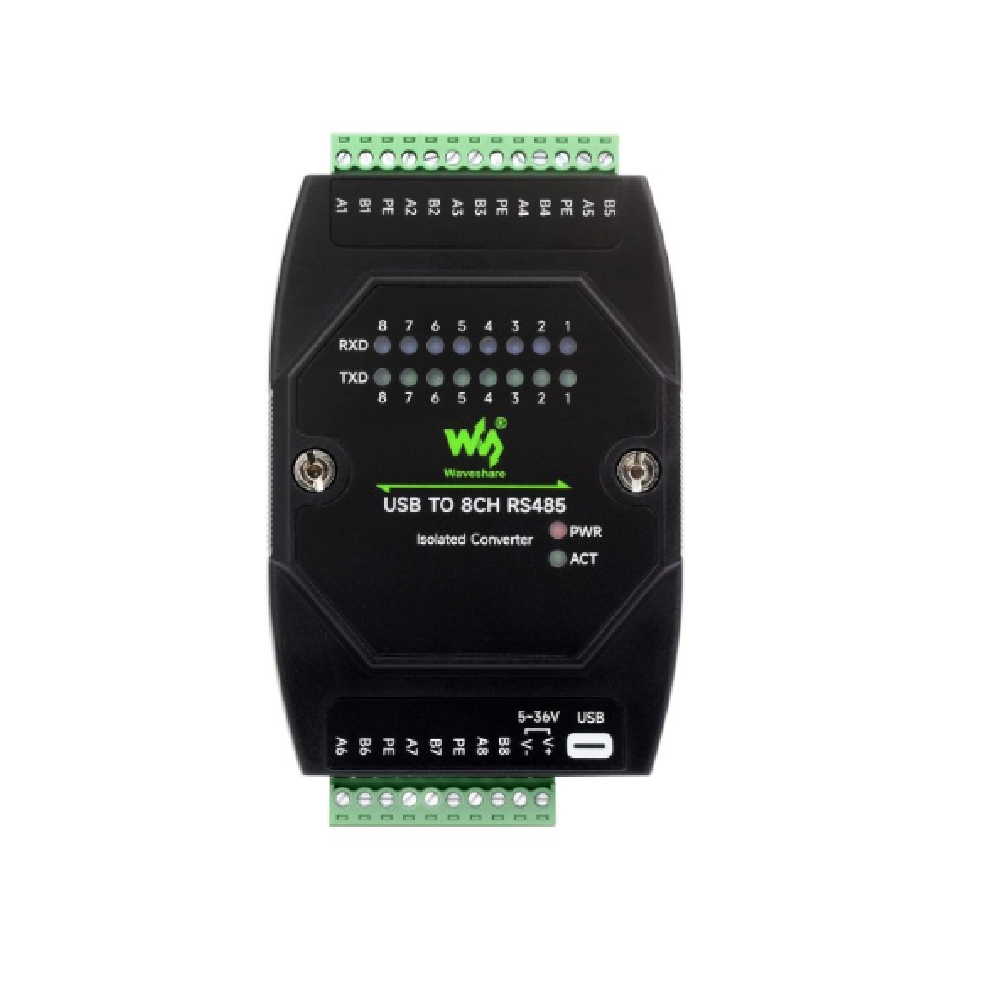
Hub RS485 Industrial Aislado de 4 Puertos – Waveshare

Sensor de Puerta y Ventana Magnético LoRaWAN – Milesight WS301
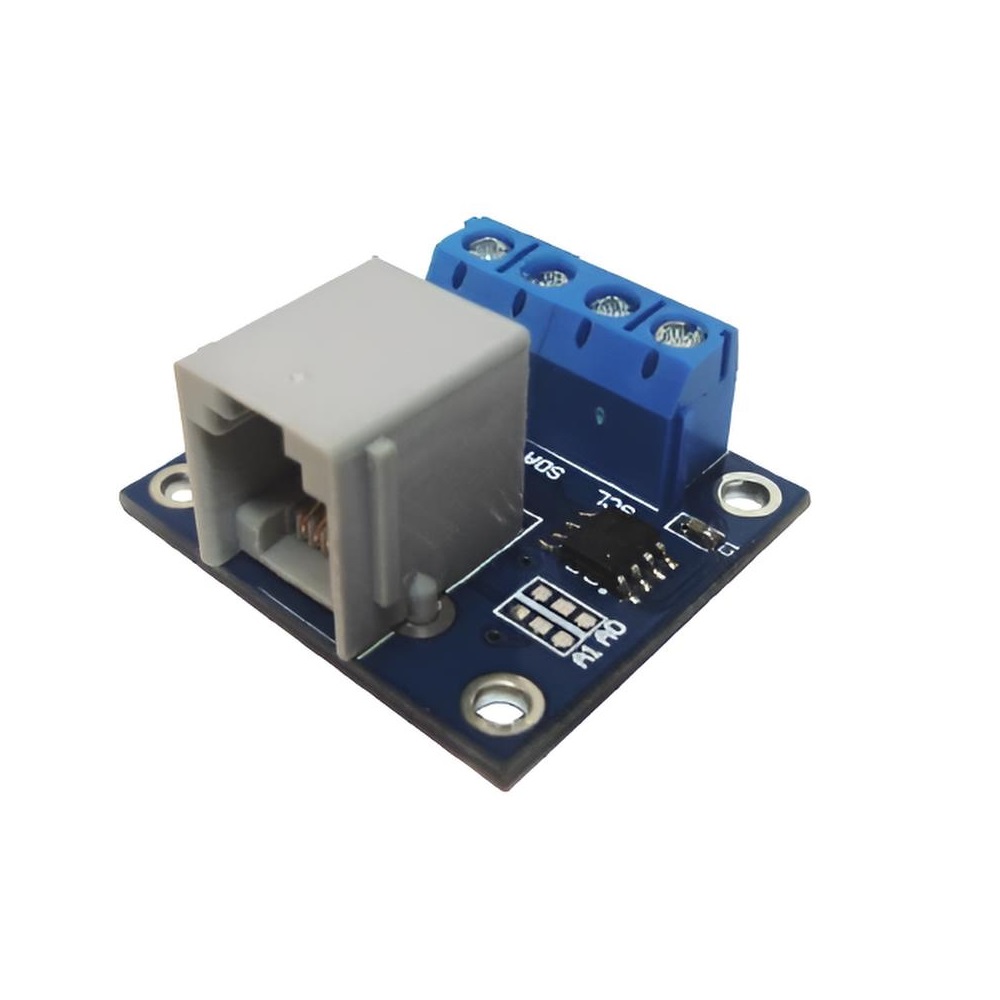
Módulo Relé Industrial RS485 4 Canales – Modbus RTU – Alta Corriente 30A